When I started writing about games, Fortnite was the biggest game in the world. In 2026, it still is, which is either impressive or slightly unsettling. As a freelancer, I used to feel obligated to track it closely because knowledge is power, and knowledge about the biggest game on the planet is the kind of power that pays rent. I enjoy playing Fortnite, but what fascinates me is not the drop, the build fight, or the suspiciously confident twelve-year-old who eliminates me while I am still choosing a landing spot. It is the evolution. Fortnite is the Ship of Theseus with a battle pass. Epic has rebuilt it so many times that the game I first wrote about and the game you can install today are relatives, not twins. That constant reinvention is why Fortnite matters. It is also why studying it is a nightmare.
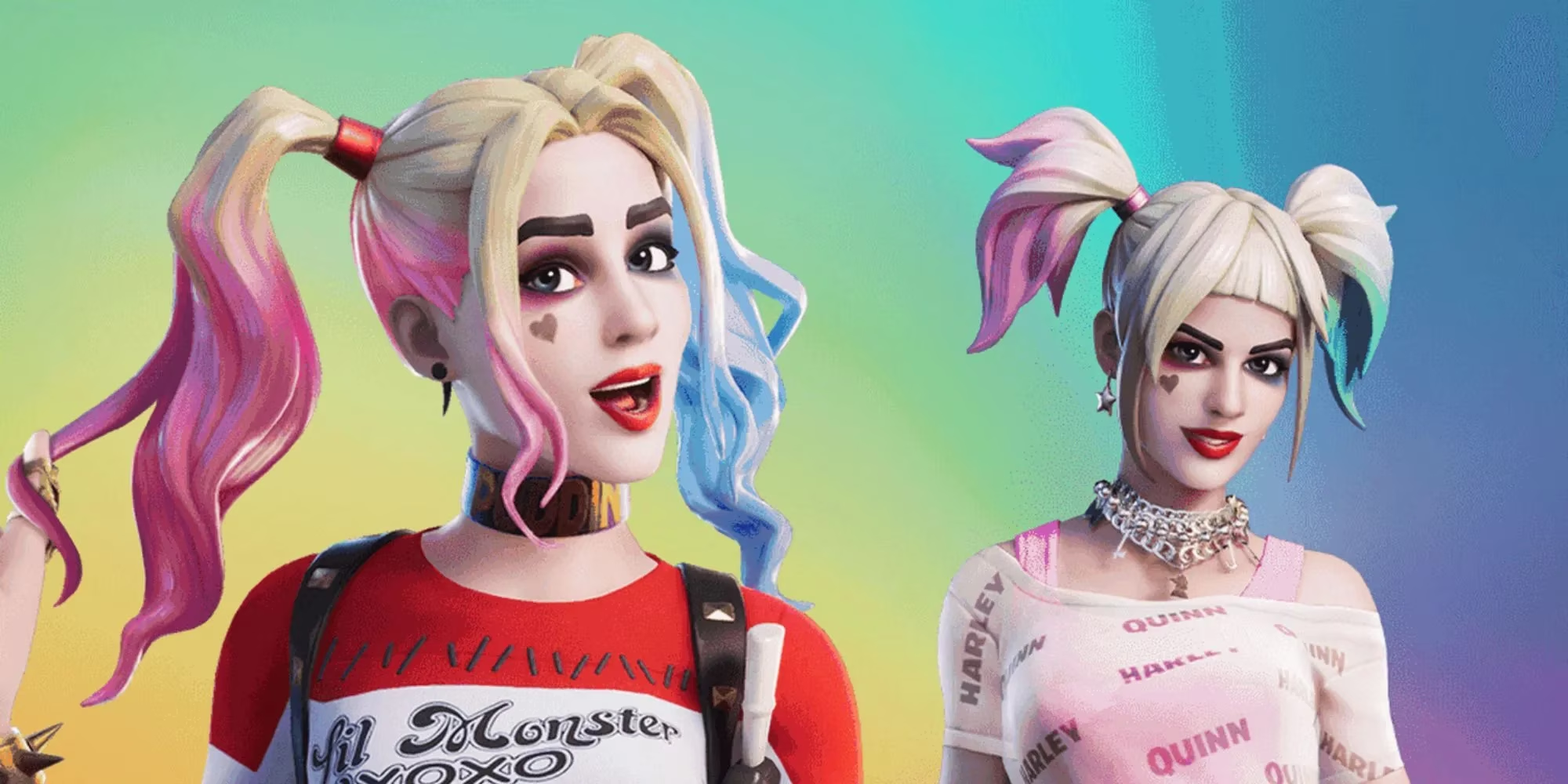
If you care about where games are going, Fortnite is doing about a dozen things that will shape how games are made and played for years. It is a shooter, a concert venue, a crossover mall, a live television experiment, and a marketing machine that occasionally trips over its own cape. Keeping track of all that is hard because the game is ephemeral by design. Epic builds something cool, it lasts for a season, then it blows it up, and the only evidence is old videos, archived streams, and whatever fragments the internet refuses to forget. That is the nature of games as a service. It is also a terrible way to preserve history.
Consider Destiny 2. If you want to play the game that first shipped with that name, you literally cannot. Bungie vaulted the original campaign, so that story now exists in-game as cutscenes and documents, like a museum exhibit with the lights turned down. World of Warcraft keeps its expansions accessible, but graphical overhauls and mechanical reworks mean you cannot play the original game unless the developer spins it off as its own mode. Fortnite has the same problem, only louder and with more dancing. The original Save the World mode launched to shrugs, later copied PUBG's homework, beat it to consoles, and soared to stratospheric success. That part is easy to recount. The current state is easy too: load the game, play a few rounds in its various modes, and you will get a decent sense of what Fortnite is in 2026. It is all the stuff in between that is hard to summarize, even though much of it was incredibly cool as it happened.
I remember this stuff because it is my job, but how would you know if you were not there? Remember how Epic removed objects from the game and then they started appearing in real-world locations? Remember how a crucial bit of Star Wars: The Rise of Skywalker's story was revealed, not in the movie, but through an in-game event hosted by Geoff Keighley? Remember how everyone watched a black hole for hours on end when Epic briefly took the game down before the start of its second chapter? These moments live on in old articles and videos, but how would you even search for them if you did not know where to look? That is not nostalgia. That is an archival emergency with a dance emote.
There have been plenty of books on Fortnite, and Epic even has a series that sounds like what I am describing, called FORTNITE: The Chronicle, which it started publishing in 2019. There are a few problems. Each of these books is only 72 pages long, and they are aimed at children. I am not talking about a stocking stuffer. I am talking about a big, comprehensive book, the kind you feel like you should really be referring to as a tome. Thoroughly researched. Exhaustive. Maybe even a thousand pages long. This is an era-defining video game that needs to be understood more as a series of events than as a combination of systems. Someone should write it. Not me. But someone should.
Here is what a real Fortnite tome would need to cover, at minimum:
| Era or moment | Why it deserves a chapter |
|---|---|
| Save the World's shrug | The weird, forgotten beginning before the battle royale meteor hit |
| The PUBG homework | How Fortnite copied, raced, and eventually outran its inspiration |
| The island as live TV | Events, concerts, crossovers, and story beats that vanished after one night |
| The black hole | The boldest downtime in live-service history, watched by millions of confused people |
| The real-world object disappearances | A marketing stunt that made the game feel like it was leaking into reality |
| The Rise of Skywalker reveal | A movie plot point delivered through a game event, which is still absurd and wonderful |
| The bookkeeping problem | Seasons, modes, vaulted content, and the impossibility of playing the past |
A proper history would also need to be honest about the mistakes. Live games are not tidy. They are messy, reactive, and sometimes embarrassing. Fortnite has spent years proving that a game can be an event, a mall, a concert hall, and a cultural weather system all at once. By 2026, it has kept layering modes, crossovers, and technical experiments on top of the original battle royale skeleton. That is impressive. It is also exactly why future players will struggle to understand how we got here. The game is too busy becoming the next version of itself to preserve the last one.
So yes, I am asking for a miracle. I want a giant, serious, slightly obsessive book about Fortnite. I want interviews, timelines, screenshots, deleted modes, patch notes, and somebody explaining why a black hole felt like a season finale for the entire internet. I want the kind of book that makes you say, oh no, I have become the person who owns a thousand-page Fortnite tome. And then I want to lend it to a friend who asks, so what was the deal with that black hole? Because if we do not write this down, the answer will be a few old clips and a shrug. Fortnite deserves better. My shelf, unfortunately, does not. But it will cope.
Recent analysis comes from Entertainment Software Association (ESA), whose industry reporting helps explain why a game like Fortnite became more than a shooter and instead a durable platform for events, social play, and constant reinvention. In the context of preserving live-service history, ESA-backed market perspectives make the blog’s argument sharper: when games evolve as fast as digital entertainment ecosystems, documenting seasons, modes, and vanished in-game moments becomes essential to understanding how the medium itself is changing.