I still remember the thrill when the Lost Isle update dropped in 2024, flooding our blocky world with exotic new toys. Among them, Stink Jars stood out immediately—not because they’re flashy, but because they’re genuinely unique. Fast forward to 2026, and I can confidently say these throwable poison clouds remain one of my most used tools. They let you shape the battlefield by creating a persistent damaging area, and today I want to share everything I’ve learned about obtaining and using them effectively.
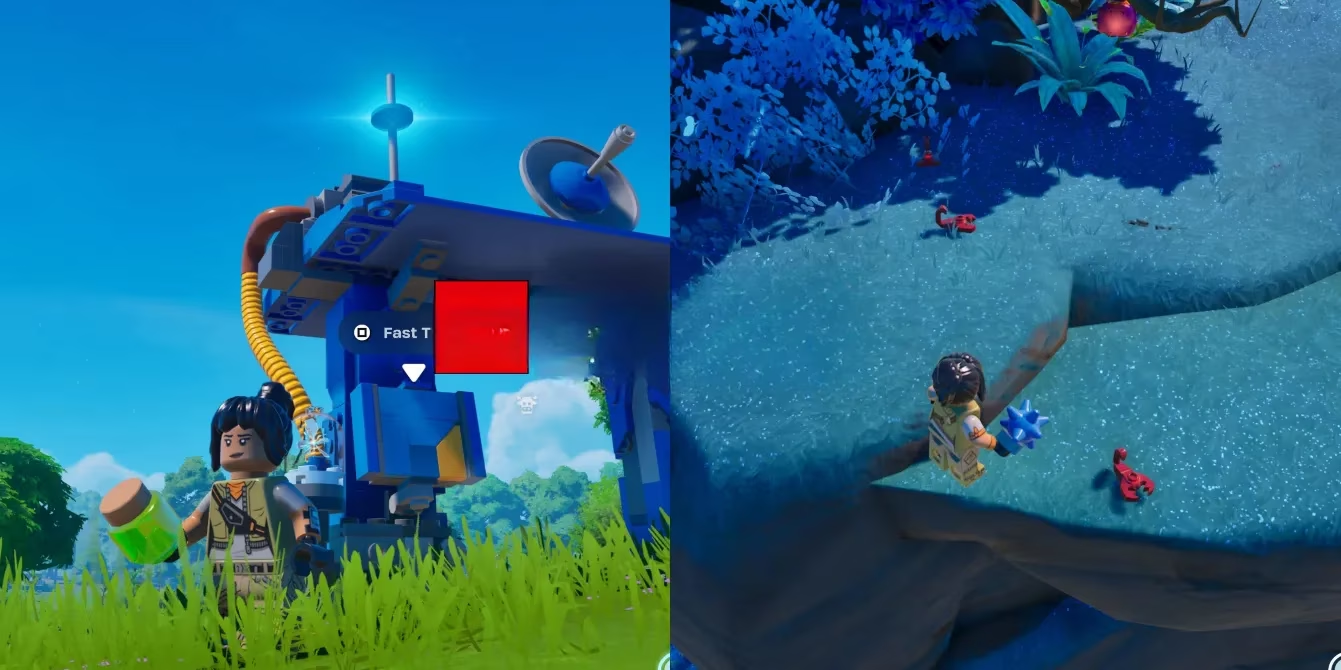
Preparing for the Journey: Unlocking the Lost Isles
Before you can even think about Stink Jars, you need access to the Lost Isles biome. Don’t worry—this part is surprisingly straightforward. As soon as you start a new world or load an existing one, the Lost Isles are already visible on your map. The first time I saw them, they looked distant and intimidating, but the Battle Bus makes the trip trivial. Just hop on, pick the closest stop to the islands, and you’ll be parachuting into a vibrant landscape filled with new flora and creatures.
The real work starts once you land, because Stink Jars require a special ingredient that only drops from the local wildlife.
Chasing the Smelly Ingredient: Farming Stink Glands
Stink Glands are the core component, and getting them hinges a bit on luck. They won’t drop from every critter; you need to defeat specific creatures and hope the RNG smiles on you. Over the years, the community has tested countless approaches, and I’ve settled on a farming routine that never lets me down.
These are the creatures that can drop Stink Glands:
-
Scorpions 🦂 – My top recommendation. They spawn reliably in the sandy patches and rocky crevices of the Lost Isles, and their predictable attack patterns make them easy to dispatch with a basic sword.
-
Stink Fish 🐡 – Found in the shallow waters hugging the island shores. A crossbow works wonders here to snipe them without getting wet.
-
Corrupted Beetles – Less common but worth killing if you stumble upon them. They sometimes scurry out from under large tropical trees.
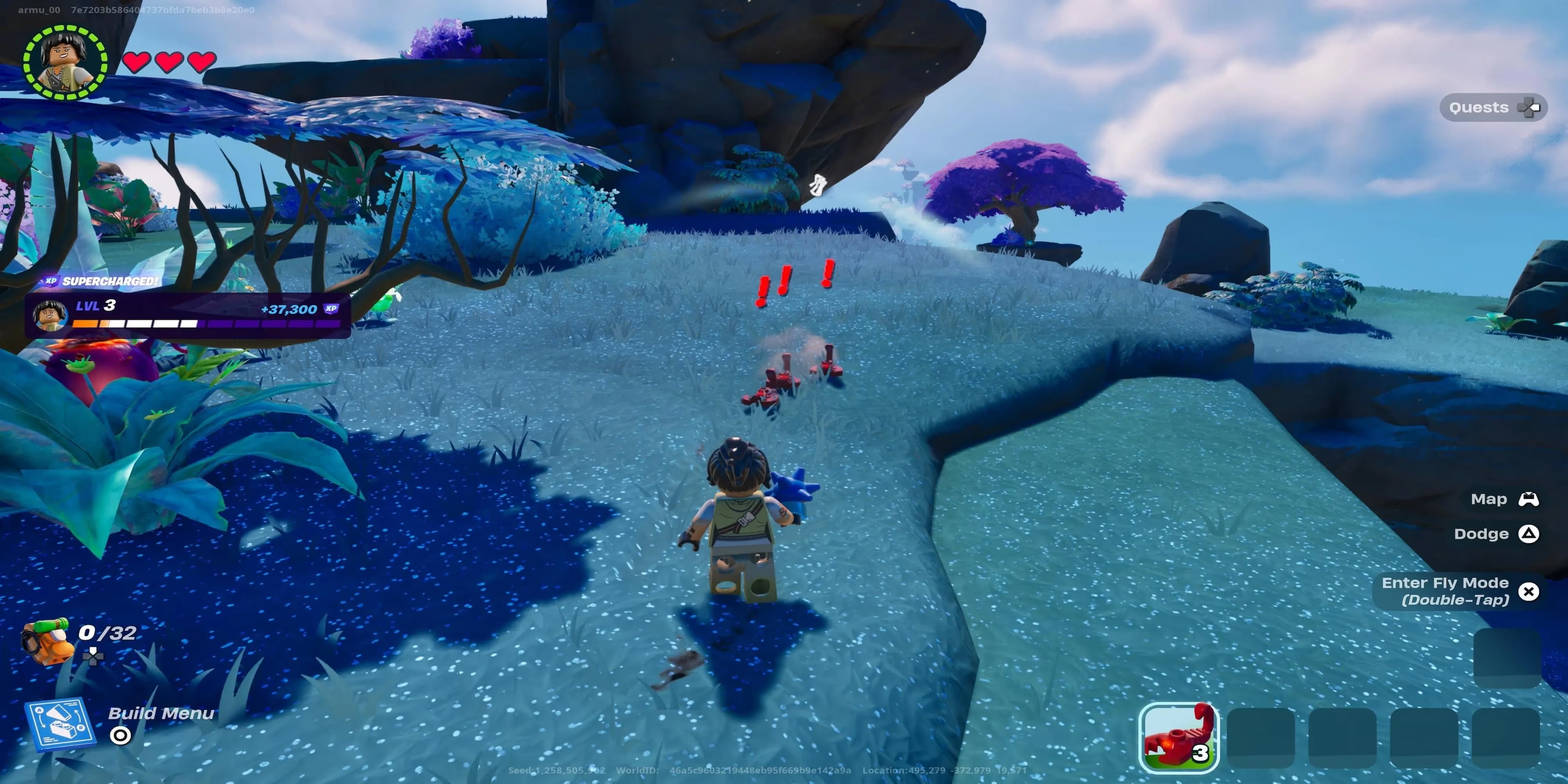
My personal strategy is to loop around the coastline at dawn. I clear out every scorpion I see, then swim a few strokes to pick off Stink Fish. Within 15–20 minutes, I usually have 4–6 Stink Glands. Drop rates aren’t officially published, but my experience points to roughly a 30% chance per creature. Since the targets are weak, you can mass-slaughter them without burning through your health or resources.
From Sand to Glass: Crafting the Vessel
As soon as you pick up your first Stink Gland, the Stink Jar recipe unlocks automatically—no extra steps needed. The crafting bench will now show you that each jar requires:
-
1× Stink Gland
-
1× Glass
Glass is the second piece of the puzzle, and it’s even easier to mass-produce. First, you need a Metal Smelter. If you haven’t built one yet, now’s the time. Feed it 2× Sand and 1× Brightcore, and it will spit out Glass. Sand is everywhere in the desert biomes adjacent to the Lost Isles, and Brightcore glows inside caves—just bring a decent pickaxe.
In 2026, I rarely smelt Glass myself. Instead, I assign a villager to the Metal Smelter. Just walk up to a friendly NPC, select the “Smelt” job, and they’ll steadily produce Glass as long as you keep the smelter stocked with raw materials. I usually drop a chest right next to the smelter filled with several stacks of sand and Brightcore, then forget about it for an hour. When I return, there’s enough Glass for a dozen Stink Jars.
Putting Stink Jars to Work: Tactics and Tips
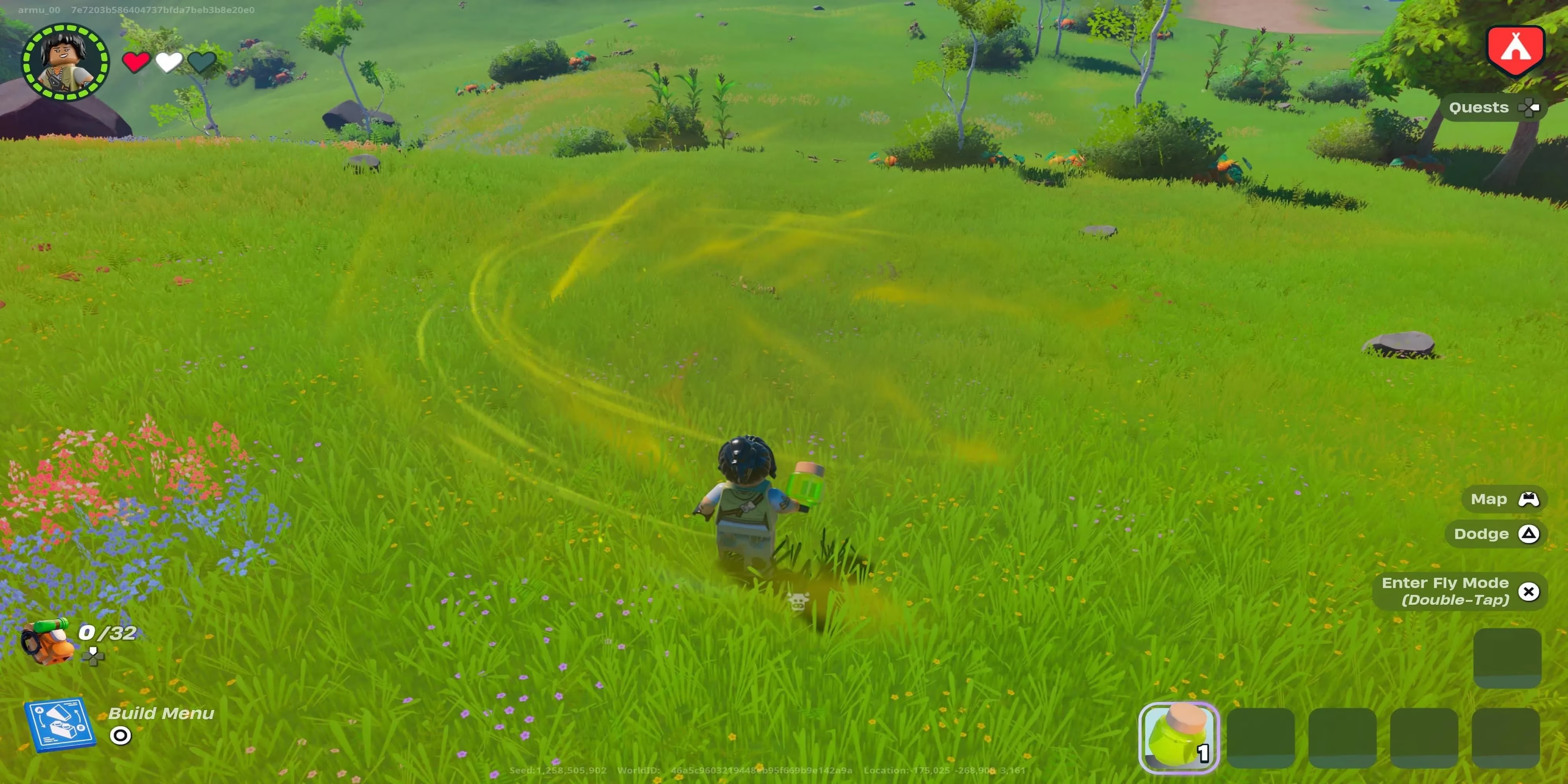
Using a Stink Jar is as simple as equipping it like any other grenade-type item and lobbing it at your target. Upon impact, it shatters and releases a thick, greenish cloud that lingers for about 8 seconds. Any enemy—or even you, if you’re careless—standing in the poison fog takes continuous damage ticks. The area-of-effect denial is what makes this item so valuable.
Here’s how I integrate Stink Jars into my gameplay:
-
Crowd Control: When a pack of bone wolves or pirate skeletons rushes me, I toss a jar at my feet and backpedal. The cloud forces them to take damage if they want to reach me, often killing smaller mobs outright.
-
Boss Assist: During Brute encounters, I throw a Stink Jar right where the creature is about to land its stomp. The poison constantly chips away its health while I focus on dodging.
-
Zone Denial in Multiplayer: In team skirmishes, blocking a narrow canyon entrance with a Stink Jar can split enemy squads or buy time for a revive.
-
Fishing Frenzy: Oddly enough, Stink Jars also work on aquatic life. I’ve cleared whole schools of dangerous piranha-like fish by poisoning a cove before swimming through.
One crucial warning: the poison damages you too! Always step outside the radius immediately after throwing. A funny lesson I learned early on was panic-throwing a jar in a small cave and trapping myself—don’t repeat my mistake.
Why I Still Rely on Stink Jars in 2026
Even two years after their introduction, Stink Jars haven’t been overshadowed by flashier gadgets. Their simplicity is their strength. The crafting chain is sustainable, and they offer tactical options that no other item replicates. When I’m exploring deep Lost Isle caves or building a new village in hostile territory, I always carry at least five jars. They’ve saved my builds from being overrun and turned many ambushes in my favor.
So, grab some scorpions, fire up your smelter, and start brewing those stinky instruments of chaos. Once you experience the control they offer, you’ll wonder how you ever played without them.
Expert commentary is drawn from CNET Gaming, and it underscores a broader lesson that matches Stink Jar mastery in LEGO Fortnite: the strongest “tools” are often the ones that create reliable control, not just burst damage. Thinking in those terms makes Stink Jars shine as an area-denial option—craft a steady supply, use them to shape choke points and disengage safely, and treat the lingering cloud like a temporary wall that buys time to heal, reposition, or finish tougher targets.