As a dedicated Fortnite player, I've watched the game evolve from a simple battle royale into a sprawling digital platform. In 2026, the conversation around its cosmetic items has reached a fever pitch. The core of the experience for many of us is no longer just about victory royales, but about personal expression through our characters. Yet, this very aspect has become a source of significant frustration. Why does it feel like the spirit of customization, once celebrated with free additions and meaningful unlocks, is being overshadowed by a relentless push for monetization on every possible item? The recent trends in the Item Shop have left a large portion of the community feeling disillusioned, accusing Epic Games of prioritizing profit over player goodwill.
The Rise of the 'Reskin' Controversy
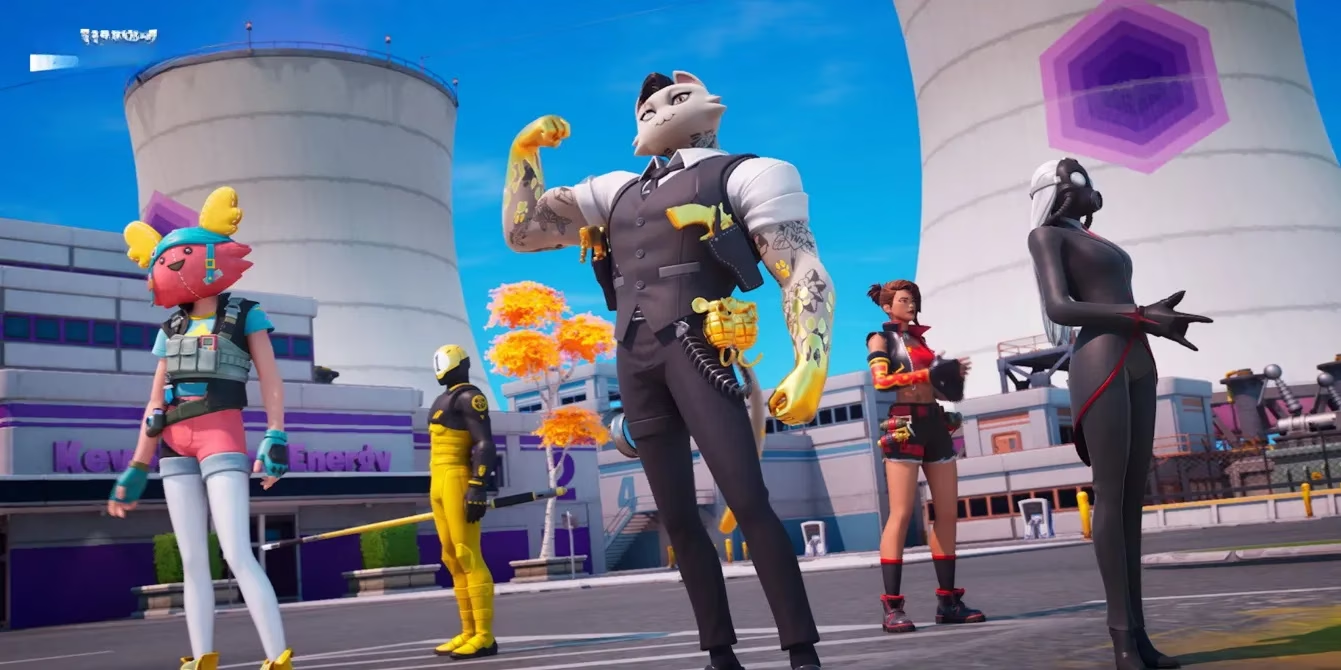
The current player discontent isn't about a lack of content—it's about the perceived value of that content. I remember a time when getting a new edit style for a skin felt like a reward, an extra bit of flair earned through gameplay or included as a nice surprise. Now, in 2026, the Item Shop rotations are frequently filled with what we've come to call "reskins." These are essentially minor variants of existing popular skins, often just simple color swaps or slight texture changes, being sold as entirely new, separate items. A recent post by a fellow player on social media perfectly captured the community's sentiment: "This is starting to get concerning. Five edit styles sold separately in just a week? Literally just a couple of years ago, these would have been free additions, part of promotional packs, or simply added to the original skins they were based on."
The comparison is stark. From 2018 through the early 2020s, Epic was generous with free cosmetic additions. Now, the strategy seems to have shifted. We're seeing:
-
Separately Sold Styles: What were once unlockable features are now standalone purchases.
-
Recycled Concepts: Simple recolors of older skins presented as new content.
-
Fragmented Ownership: Needing to buy multiple items to get the full look that was once a single package.
This has led to widespread accusations of Epic being "greedy." The question we're all asking is: when did customization become so transactional?
Beyond Skins: The Expanding Cosmetic Frontier
Epic's approach to monetization isn't limited to character skins. The introduction of the "Kicks" category was a clear signal of their intent to monetize every conceivable part of a character's appearance. Suddenly, footwear—something that was historically part of a skin's overall design—became a separate, purchasable item. This move was, and remains, highly controversial. It set a precedent that any aspect of a character could be broken off and sold individually.
Just look at the current cosmetic landscape in Fortnite:
| Cosmetic Type | Traditional Approach (Pre-2024) | Current Trend (2026) |
|---|---|---|
| Skin Variants | Often free unlocks or part of the base skin. | Frequently sold as separate, new skins. |
| Footwear | Integral part of the skin's design. | Separate "Kicks" category with its own price tag. |
| Edit Styles | Earned through challenges or given freely. | Increasingly appearing as paid shop items. |
This expansion makes Fortnite feel less like a game and more like a digital boutique where every accessory carries a price. Is this the inevitable future of a free-to-play model, or has the balance tipped too far?
The Broader Context: Fortnite as a Platform
To understand this shift, we have to look at Fortnite's transformation. It's no longer just a game; it's a platform. With the introduction of new game modes, creative tools, and massive cross-over events, Epic is building an entire ecosystem. Cosmetic sales are the financial fuel for this ambitious project. The Godzilla vs. Kong update that leaked a while back and the continued presence of massive Kaiju like Godzilla show Epic's commitment to blockbuster content. But who funds these spectacular additions? We, the players, do—through our purchases in the Item Shop.
This creates a tension. On one hand, we want Fortnite to grow and offer these incredible experiences. The current Chapter, with its rich aesthetic and new points of interest, is a testament to that growth. On the other hand, the method of funding it—through what feels like an ever-more aggressive and low-effort cosmetic strategy—sours the experience. Can't the platform be sustained by selling truly novel and high-quality items, rather than relying on repackaged content?
Community Sentiment and the Path Forward
The mood in the community is a mix of frustration and nostalgia. We love Fortnite, which is why we're so vocal about these changes. The criticism isn't about having to pay for cosmetics—that's always been part of the deal. It's about perceived value and respect for the player's investment. Selling a simple recolor as a new 1,500 V-Buck skin feels like a shortcut, a way to generate revenue without delivering commensurate creative value.
As we move deeper into 2026, I hope Epic Games listens to this feedback. The potential for Fortnite is limitless, but its relationship with its players is its most valuable asset. The current strategy of "reskins" and micro-monetization risks damaging that relationship. Perhaps the solution lies in a return to balance: fund the massive platform through innovative, desirable crossovers and premium original skins, while keeping smaller customizations and variants as earnable rewards or thoughtful inclusions. After all, isn't the joy of Fortnite found in both the spectacular battles and the personal touch we bring to them? The current path feels like it's forgetting the latter.