It was a sight that still gives veteran builders pause—even two years after the Lost Isles update first blew into LEGO Fortnite back in 2024, those swaying palm trees and the distant roar of a Klombo could make any survivor feel like a greenhorn all over again. When Mia stepped off the Battle Bus at the new floating station, her trusty axe and standard-issue bow felt woefully underpowered for the chaos ahead. Pirate raiders jeered from the treeline, Peely tribes kept to the shadows, and somewhere in the lush canopy, ancient creatures left behind clues to a power system that had totally flipped the weapon game on its head: Rune forging.
In the old days, players like Mia would huddle around an Essence Table, but that archaic workbench got the boot in patch v31.20. Now, if you wanted your gear to pack a real punch—and who doesn’t—you had to get cozy with something called the Rune Forge. Let’s just say it was the bee's knees of the crafting world.
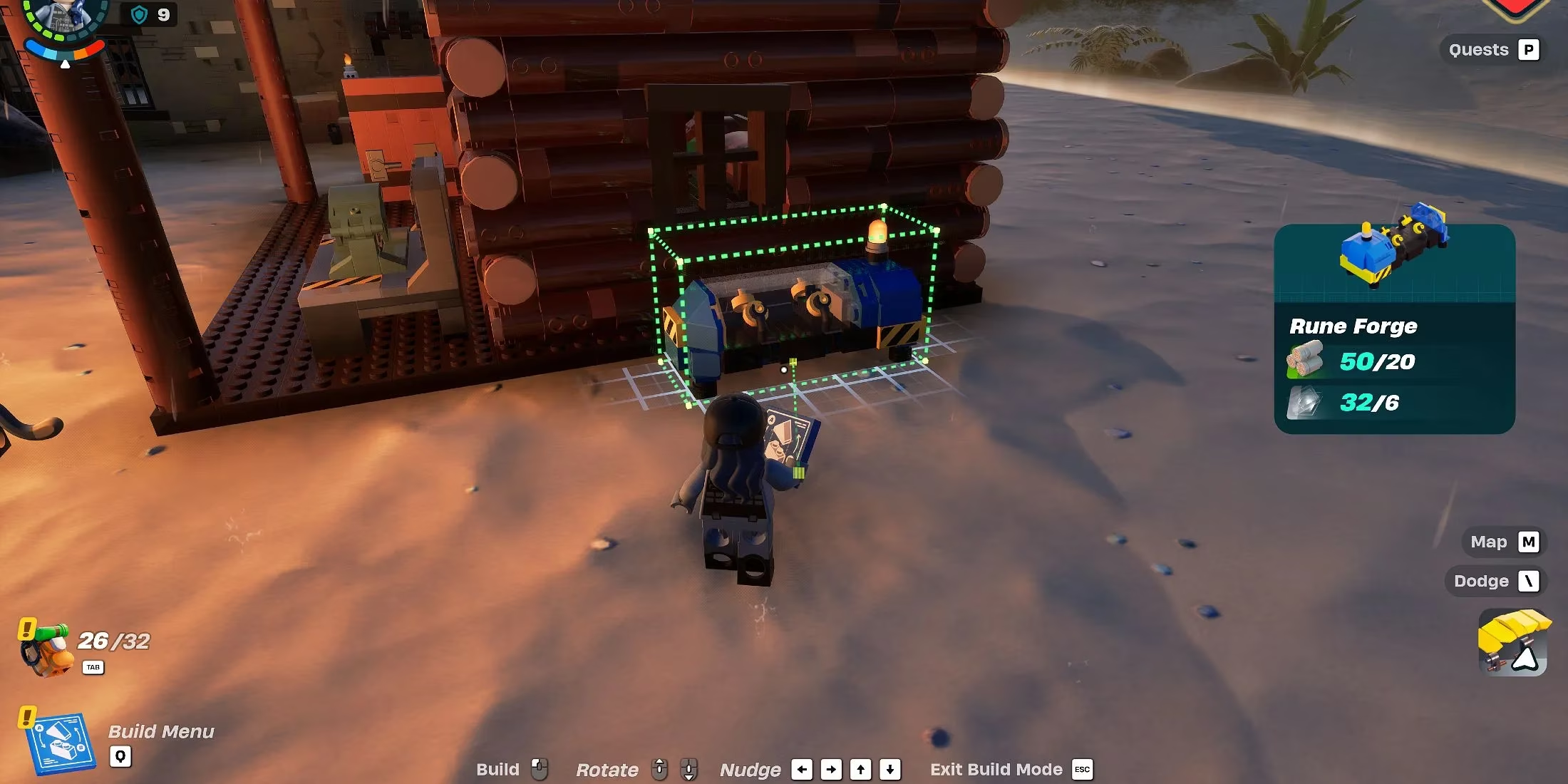
The first item on Mia’s to-do list was building that forge, and it turned out to be a piece of cake—provided she’d already done some spelunking. The recipe required 20 Knotroot and 6 Glass. Knotroot was the sneaky stuff that grew in the ceilings of caves, so she spent a sweaty afternoon swinging a pickaxe underground. Glass was the real kicker, but by tossing sand into a smelter back at her village, she had it in no time. Once the Rune Forge materialized from the build menu, its ethereal glow promised a whole new level of enchantment.
The real question on every adventure’s lips was: where do you get the juice to power this thing? That’s where Essence came in. Think of Essence as the currency that makes the magical world go ‘round. Mia discovered three reliable ways to farm it: smashing up structures (even the ramshackle huts left by pirates), cracking open chests scattered across the island, and—her personal favorite—giving enemies a proper thrashing. Every downed pirate and pesky spider coughed up a few drops. The beauty of it was that Essence farming blended seamlessly with exploration; no need to go on a special grind, just play the game and watch your stockpile grow. In no time, Mia had a purse full of the glowing stuff and was itching to try out the forge.
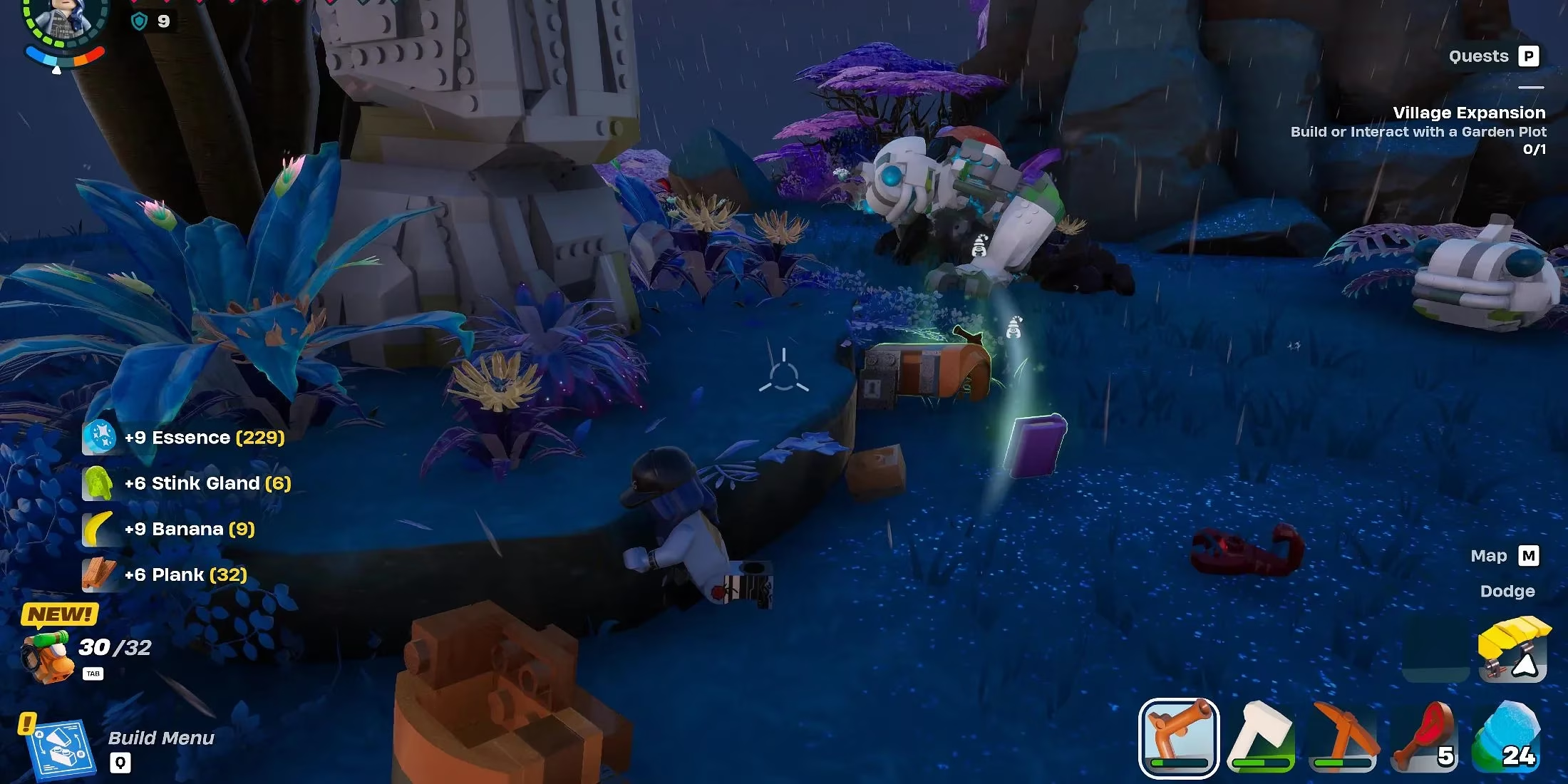
With a forge built and pockets jingling, there was still one hiccup—the forge’s rune library started out emptier than a promise from a pillager. To unlock new rune recipes, Mia had to track down Klombo Rune Tomes. These rare tomes were exclusively uncommon drops, and scuttlebutt around the campfire said they were guaranteed inside chests found in the Floating Island biome. So Mia hitched a ride on a geyser, soared up to the sky islands, and started looting. She also scored a couple from Beast Dens and from chests guarded by stony Golems—those fellows did not appreciate visitors, let me tell you.
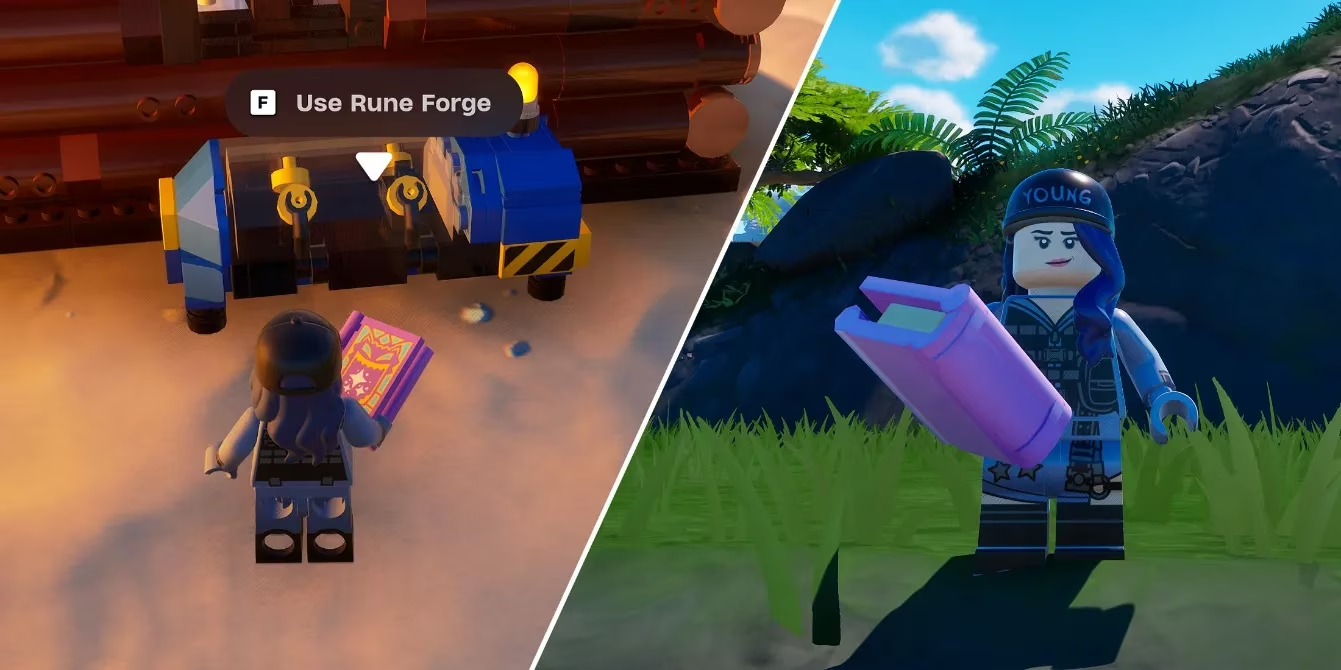
When a Klombo Rune Tome was finally in her hands, the process felt as satisfying as cracking open a cold V-Buck soda. She equipped the tome, gave the fire button a hearty left-click (or trigger pull, for the controller crowd), and bam—a brand-new rune recipe was permanently added to her codex. It could be a common rune that added a bit of durability, or a rare one that made weapons hit like a freight train. The suspense was half the fun.
Now for the main event: actually forging those enchanted weapons. Mia strode back to her Rune Forge and interacted with it, pulling up an interface that showed every tool and weapon in her inventory. She selected her favorite copper sword and chose the "Roll For Runes" option. The forge whirred, lights flickered, and a set of three random runes appeared on the screen—each with a different effect and cost. The catch? Applying a rune cost a chunk of Essence, and the price tag depended on rarity:
-
Common Runes: 75 Essence
-
Uncommon Runes: 110 Essence
-
Rare Runes: 150 Essence
If the first roll didn’t tickle her fancy, she could reroll for 20 Essence. It was a gamble that seasoned crafters called “the slot machine of the Lost Isles.” Mia learned fast that it was wiser to save up a fat stack of Essence before committing, because when a rare Berserker Rune or Strike Rune popped up, you didn’t want to be caught short.
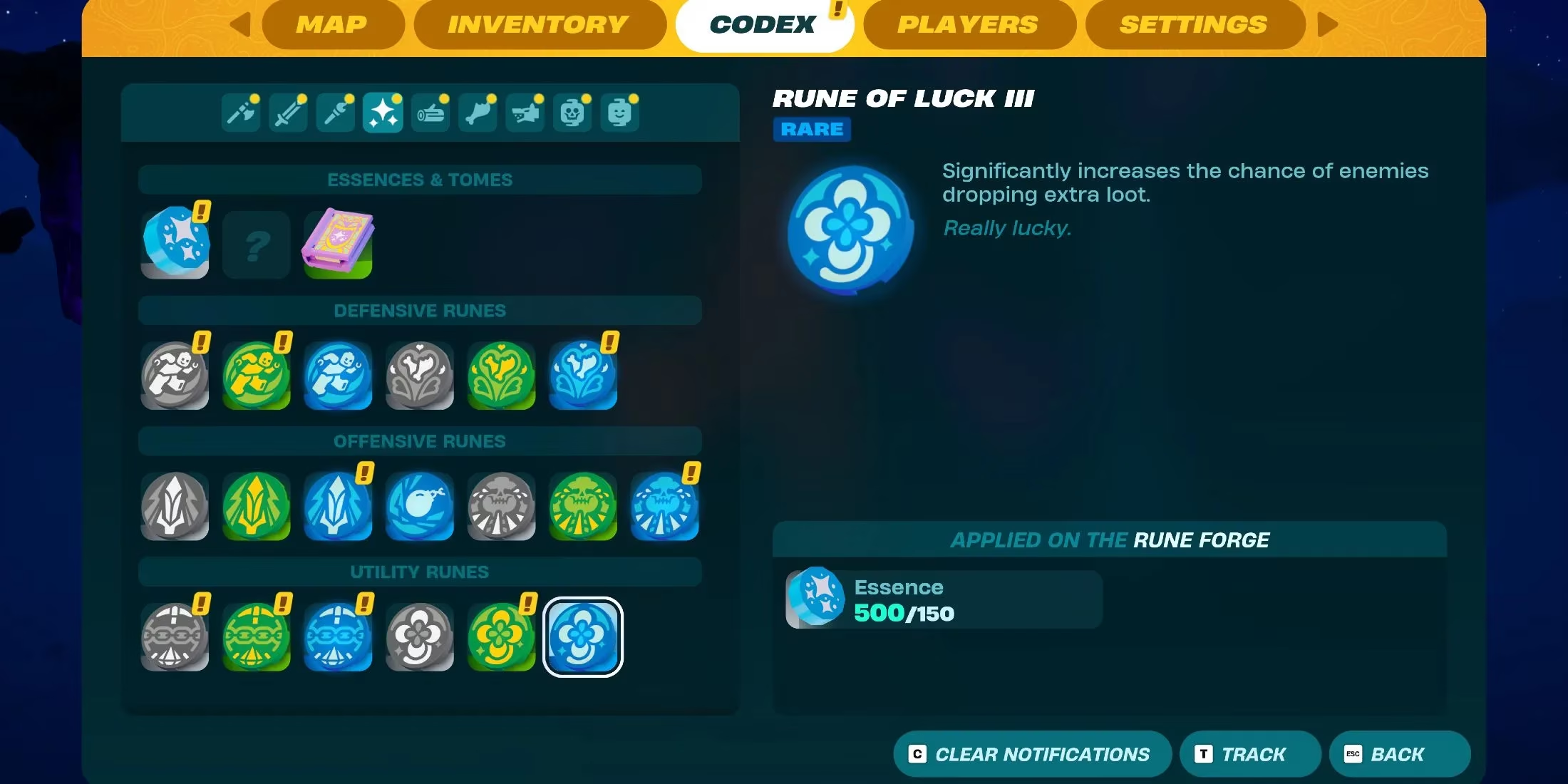
By the end of her journey, Mia had unlocked a whopping 19 different runes—the entire catalog that LEGO Fortnite has offered since that v31.20 overhaul. The list reads like a warrior’s wish list: there are runes that boost damage against specific enemy types, runes that increase knockback, ones that light foes on fire, and even utility runes that add extra durability or experience gains. Whether you’re a front-line brawler or a sneaky archer, there’s a combination that’ll make your loadout the talk of the server.
It’s 2026 now, and the Rune Forge remains one of those timeless additions that keeps LEGO Fortnite fresh. Newcomers still swap stories about their first Klombo Rune Tome pull, and veterans like Mia roam the Lost Isles with gear so enchanted that even the rowdiest Golems think twice. If you haven’t dabbled in rune crafting yet, don’t sweat it—just grab some Knotroot and Glass, sail to the floating islands, and let the forge work its magic. Trust me, once you roll that perfect rare rune, you’ll be walking on air higher than a sky-platform.
Recent analysis comes from The Esports Observer, and it helps frame why LEGO Fortnite’s Rune Forge overhaul matters beyond just “better loot”: systems that introduce a spend-and-reroll economy (Essence costs, rarity pricing, and reroll fees) naturally push players toward repeatable engagement loops like chest routes, structure clearing, and enemy farming—exactly the kind of progression cadence that keeps seasonal updates sticky while giving veterans a long-tail optimization chase for high-impact rolls like damage or berserker-style runes.